
Athlete’s Foot is a common fungal infection that affects the feet. This condition typically manifests as itchy and red skin on the feet, and may also cause peeling and cracking of the skin. Although Athlete’s Foot is not a serious health concern in most cases, it can be uncomfortable and, if left untreated, may lead to further complications.
Contents
- Key Takeaways:
- Causes of Athletes Foot
- Types of Fungi
- Risk Factors
- Treatment Options
- Symptoms of Athletes Foot
- Diagnosing Athlete’s Foot
- Treating Athlete’s Foot
- Athletes Foot Prevention and Home Remedies
- Complications and When to Seek Medical Help
- Conclusion
- FAQ
- What does Athlete’s Foot look like?
- What causes Athlete’s Foot?
- What are the symptoms of Athlete’s Foot?
- How is Athlete’s Foot diagnosed?
- How is Athlete’s Foot treated?
- How can Athlete’s Foot be prevented?
- Are there any complications associated with Athlete’s Foot?
- Why is it important to take Athlete’s Foot seriously?
Individuals who experience itchy feet or notice changes in their foot skin may have Athlete’s Foot and should seek medical attention to manage the condition. In this article, we’ll explore the common signs and symptoms of Athlete’s Foot, discuss its causes, and provide guidance on its prevention and treatment.
Key Takeaways:
- Athlete’s Foot is a fungal infection that typically affects the feet.
- The condition may manifest as itchy, red, and peeling skin on the feet.
- Athlete’s Foot is not typically life-threatening but may lead to complications if left untreated.
- If you suspect you may have Athlete’s Foot, seek medical attention to manage the condition effectively.
- Prevention and treatment strategies include maintaining proper foot hygiene and using over-the-counter or prescription antifungal medications.
Causes of Athletes Foot
Athlete’s Foot is a common fungal infection that affects the skin on the feet. It is caused by a group of fungi known as dermatophytes, which thrive in warm, moist environments such as showers, locker rooms, and swimming pools. The fungi feed on keratin, a protein found in the skin, nails, and hair, leading to the characteristic symptoms of Athlete’s Foot.
Types of Fungi
There are several types of fungi that can cause Athlete’s Foot, including Trichophyton, Epidermophyton, and Microsporum. Trichophyton is the most common cause of Athlete’s Foot, accounting for around 70% of cases. Other fungi, such as Candida and mold, can also cause similar symptoms, but these are less common.
Risk Factors
Anyone can get Athlete’s Foot, but some people are more susceptible than others. Certain risk factors increase the likelihood of developing this fungal infection, including:
- Walking barefoot in communal areas such as gyms, pools, and locker rooms
- Wearing tight, non-breathable shoes or socks that trap moisture
- Having sweaty feet
- Having a weakened immune system
- Having a skin or nail injury
- Having a pre-existing fungal infection
Treatment Options
There are several over-the-counter and prescription medications available to treat Athlete’s Foot. These include antifungal creams, sprays, and powders, which work by killing the fungi that cause the infection. In more severe cases, oral antifungal medications may be necessary. It is important to follow the treatment regimen prescribed by a healthcare professional to ensure complete resolution of the infection.
In addition to medication, other treatment options that can help relieve symptoms and prevent recurrence include keeping the feet clean and dry, wearing breathable footwear, and avoiding sharing personal items such as shoes and towels.

| Over-the-counter Medications | Prescription Medications |
|---|---|
| Clotrimazole | Terbinafine |
| Miconazole | Itraconazole |
| Tolnaftate | Fluconazole |
Symptoms of Athletes Foot
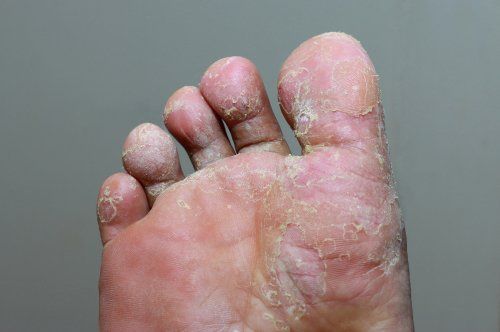
One of the most common symptoms of Athletes Foot is itchy feet. This itchiness can vary in severity and may be more intense at certain times of the day or after sweating. Other symptoms include:
- Redness and inflammation on the skin of the feet
- Blisters or ulcers that may ooze fluid and crust over
- Dry, flaky, or cracked skin on the soles or sides of the feet
- Foul odor
- Thickened, discolored nails that may also be brittle or crumbly
Symptoms may also spread to other areas of the body, such as the groin or hands, if left untreated. It is essential to seek medical help if symptoms persist or worsen after treatment or if there are signs of complications such as cellulitis or a bacterial infection.
Avoiding tight and damp footwear, practicing good hygiene, and seeking early treatment can help minimize symptoms and prevent the spread of this fungal infection.
Diagnosing Athlete’s Foot
Diagnosing athlete’s foot involves physical examination and evaluation of symptoms. A doctor may also take a sample of the affected skin to confirm the diagnosis. The sample is sent to a laboratory for testing to rule out bacterial infections.
It is important to see a healthcare professional if symptoms persist even after over-the-counter treatment. Athlete’s foot can be contagious, and early diagnosis and treatment can prevent the spread of the infection to others or other parts of the body.
| Doctor’s Procedure | Cost |
|---|---|
| Physical examination and evaluation of symptoms | $100-$300 |
| Lab testing for skin samples | $200-$500 |
Once the diagnosis is confirmed, treatment can be started to relieve symptoms and promote healing.
Treating Athlete’s Foot
Athlete’s Foot is a common condition that can be treated effectively with various over-the-counter remedies. In mild to moderate cases, antifungal powders, creams, or sprays may provide relief from the itching and discomfort associated with this fungal infection.
For more severe cases, prescription medications such as antifungal pills or stronger topical treatments may be necessary. It’s crucial to follow the recommended dose and duration of the medication as instructed by a healthcare professional to ensure adequate treatment.
In addition to medication, there are several home remedies that can help alleviate Athlete’s Foot symptoms. These remedies include soaking the feet in a saltwater solution, applying tea tree oil or apple cider vinegar to the affected area, and keeping the feet clean and dry.
It’s essential to continue treatment even if symptoms improve to prevent recurrence. In addition to using medication and home remedies, practicing good foot hygiene can also help prevent the spread of Athlete’s Foot.
- Wash feet daily with soap and water
- Dry feet thoroughly, especially between toes
- Wear breathable shoes and socks
- Avoid sharing personal items such as towels or shoes
- Use antifungal powders or sprays in shoes

Athletes Foot Prevention and Home Remedies
Athletes Foot is a common fungal infection that affects the feet, and it can be easily prevented by following a few simple steps in foot hygiene. Here are some effective prevention strategies:
- Wash your feet daily with soap and water and dry them thoroughly, paying special attention to the areas between the toes.
- Avoid sharing personal items such as socks, shoes, and towels, as Athletes Foot is highly contagious and can spread quickly.
- Choose well-ventilated, breathable shoes made of natural materials, and avoid wearing tight or damp footwear that create a suitable environment for fungal growth.
- Use antifungal powders or sprays on your feet and in your shoes to help keep them dry and free of fungus.
- Wear shower shoes or sandals when in public areas such as locker rooms, gyms, and pools.
In addition to these preventative measures, there are several home remedies that may help alleviate symptoms and reduce the risk of recurrence:
| Home Remedy | How it Works |
|---|---|
| Vinegar Soak | Mix 1 part vinegar with 2 parts water and soak your feet for 15 minutes daily. Vinegar has antifungal properties that can help kill the fungus causing Athletes Foot. |
| Tea Tree Oil | Apply tea tree oil directly to the affected area. Tea tree oil has antifungal properties that can help reduce inflammation and itching. |
| Baking Soda Paste | Mix baking soda and water to create a paste and apply it to the affected area. Baking soda can help reduce inflammation and itching. |
| Garlic | Crush garlic and apply it directly to the affected area. Garlic has antifungal properties that can help fight off the fungus causing Athletes Foot. |
Remember, prevention is key when it comes to Athletes Foot. By following these simple steps and incorporating home remedies into your routine, you can help reduce the risk of getting this fungal infection.

Complications and When to Seek Medical Help
While Athletes Foot is generally not a serious condition, it can lead to complications if left untreated.
One of the most common complications is the spread of the infection to other parts of the body. The fungus can move to the toenails and cause a fungal nail infection, which can be more difficult to treat.
In severe cases, the fungus can also spread to other areas of the body, such as the groin, hands, and face. This can cause a condition called tinea corporis, which appears as a red, circular rash with raised borders.
People with weakened immune systems, such as those with diabetes, are at a higher risk of developing complications from Athletes Foot.
If a person experiences severe or prolonged symptoms, such as blisters, oozing, or extreme discomfort, they should seek medical attention. In some cases, prescription antifungal medication may be necessary to fully treat the infection.
It is also important to seek medical attention if the infection does not clear up with self-care measures or if it returns frequently.
Taking steps to prevent Athletes Foot, such as maintaining good foot hygiene and avoiding sharing personal items, can help minimize the risk of complications.
Conclusion
Athlete’s Foot is a common fungal infection that affects the skin on the feet. It typically manifests as redness, itching, and peeling skin. It’s crucial to get a proper diagnosis and treatment to effectively manage this condition and prevent it from spreading to other parts of the body.
There are different treatment options available, including over-the-counter antifungal creams, prescription medications, and home remedies. However, the best way to manage Athlete’s Foot is by taking preventative measures. Keeping feet dry and clean, avoiding sharing personal items, and maintaining proper foot hygiene can help reduce the risk of getting a fungal infection.
FAQ
What does Athlete’s Foot look like?
Athlete’s Foot typically manifests as red and itchy skin on the feet. The affected areas may also develop blisters, cracks, or peeling skin.
What causes Athlete’s Foot?
Athlete’s Foot is usually caused by a fungal infection. It can be contracted by coming into contact with the fungi that thrive in warm and moist environments, such as locker rooms or public showers.
What are the symptoms of Athlete’s Foot?
The common symptoms of Athlete’s Foot include itching, redness, burning sensation, stinging, and peeling or flaking skin on the feet. In some cases, painful blisters may also develop.
How is Athlete’s Foot diagnosed?
Athlete’s Foot is typically diagnosed based on its appearance and symptoms. In some cases, healthcare professionals may take a skin scraping for laboratory testing to confirm the presence of fungal infection.
How is Athlete’s Foot treated?
Athlete’s Foot can be treated with over-the-counter antifungal creams, powders, or sprays. In more severe cases, prescription medications may be necessary. It is important to follow the treatment regimen as directed and continue using the medication for the recommended duration.
How can Athlete’s Foot be prevented?
To prevent Athlete’s Foot, it is important to practice good foot hygiene. This includes washing and thoroughly drying the feet, especially between the toes. Keeping feet dry, avoiding sharing personal items such as towels or shoes, and wearing breathable footwear can also help prevent the infection.
Are there any complications associated with Athlete’s Foot?
If left untreated or in severe cases, Athlete’s Foot can lead to complications. The infection can spread to other parts of the body, such as the hands or groin. If you experience worsening symptoms, signs of infection, or the infection does not improve with self-care measures, it is important to seek medical help.
Why is it important to take Athlete’s Foot seriously?
While Athlete’s Foot is not typically a serious condition, untreated or severe cases can lead to complications. The infection can spread to other parts of the body, leading to secondary infections. Additionally, some people may experience an allergic reaction or develop an associated bacterial infection. It’s essential to seek medical attention if you notice any warning signs, such as worsening symptoms or the infection spreading to other areas of the body.
Overall, understanding the causes, symptoms, and treatment options for Athlete’s Foot can help you manage the condition effectively. Practice good foot hygiene, take preventative measures, and seek medical attention when necessary to keep your feet healthy and free from fungal infections.



